
How to Choose the Best Organic Honey: A Complete Guide for Conscious Consumers

In the world of cautiously leaning toward healthy, natural living, organic honey has become a must-have in many kitchens and wellness routines worldwide. But if you ever stood in front of "raw and organic," then don't worry; you're not alone. With so many brands assuring, acting, and shouting for your attention in this hustle, how do you know which honey is worth bringing to your table? Knock, knock. We are here to help you with this confusion. Learn how to choose the best organic honey in 2025 with this simple guide. Raw, pure, lab-tested, and bee-friendly—just like Himalayan Hive.
What Is Organic Honey—And Why Does It Matter?
Before discussing how to choose, let us clarify what organic honey is and where it comes from. Bees produce organic honey by collecting nectar from flowers in forests or cultivable lands, which are pesticide-free areas.

Why the name organic? Well,
It skips the nasty pesticides and antibiotics.
It's safe for bees, humans, and the planet
Power-packed with natural antioxidants and enzymes that our body needs
It just tastes like honey, which nature gifted us
Vegan, as we don't kill bees here
Kind to your body and the bees, the body is organic honey, and the most trusted brand is Himalayan Hive.
Step-by-Step: How to Choose the Best Organic Honey
1. Check where it's from, like its origin


The journey to the best honey begins with its origin.
Honey from low human interference, high mountains, less polluted land, and closer to nature by having natural biodiversity … these add more flavour, richness, and nutrients to honey.
Honey harvested from remote, pesticide-free zones, such as the Himalayan forests or deep wilderness, tends to be cleaner and richer in nutrients.
Look for brands that indicate the origin of their honey.
For example, Himalayan Hive gets theirs from pristine, high-altitude spots far from pollution.
2. Look for Trusted Organic Certifications
Not all that glitters is gold, and in the same way, not all organic honey jars are organic. Some brands play tactics in the name of organic to attract more users
Check for credible certification marks, such as:
USDA Organic, India Organic (NPOP certified), EU Organic
These certifications mean
These certificates display that honey meets strict standards and that bees are well cared for. Organic honey without certification is better to skip.
Himalayan Hive is proudly certified under the India Organic and other global standards.

3. Choose Raw and Unfiltered Honey
Are you a health-conscious person searching for more health benefits with minimal ingredients? Then, raw and unfiltered honey is just for you.
That means
No excessive heating (which destroys nutrients), no fine filtering (which removes pollen and enzymes), Nothing added, nothing taken away.
Our honey at Himalayan Hive is never overheated or over-filtered—just gently strained and bottled with care.
Filtered honey loses all the properties gifted by nature in the name of antioxidants, pollen, and healthy enzymes.

At Himalayan Hive, our honey is never overheated or over-filtered. We let nature do its work, so you get honey the way bees intended.
4. Read the Ingredient List (Yes, Even for Honey!)

Silly but serious step: reading the ingredients list, many honey brands sneak in added sugars or high-fructose corn syrup to increase sweetness and lower costs.
Your ingredient list should say:
100% Organic Raw Honey. That’s it. No extras.
Ingredients: 100% Organic Raw Honey.
That’s it, sugar in honey is nothing but a scam, so don't fall for the trap, and it's not worth your health or money.
5. Look for Lab-Tested Purity
Good brands don’t just make claims—they prove them
Look for honey that is tested for:
Antibiotic residues
Added sugars
Heavy metals and pesticides
Moisture content and pollen levels
Himalayan Hive proudly shares these lab results because transparency is a matter of importance.
.
6. Trust Your Senses: Texture, Taste, and Aroma
High-quality organic honey isn’t just healthy—it’s delicious, just like Himalayan Hive. How you can spot the good stuff:
+

Texture: Raw honey is often thick and creamy. It may crystallize over time—this is a natural sign of purity.
Aroma: Real honey has a floral, earthy smell. If it smells like sugar syrup, be cautious.
Taste: Organic honey varies slightly in flavor based on the flowers bees visited. Expect a rich, complex taste, not just sweetness.
7. Curious? Then try these home purity tests
Still not convinced by the label? You can do some basic tests at home to check if your honey is pure:
Water: Drop a spoonful of honey into a glass of water. Pure honey sinks and won't dissolve
Thumb Test: Place a drop on your thumb. It should stay and should not spread or run
Flame Test (Caution): Dip a cotton wick in honey and light it. Pure honey burns
While not 100% conclusive, these tests give you a rough idea of your honey's authenticity.
Why Ethical & Sustainable Honey Matters
Choosing the best organic honey isn’t just about your health—it’s also about the planet.

Sustainable honey brands:
Preventing overharvesting to ensure bees have sufficient food
Use eco-friendly packaging
Work with local farmers and beekeepers to support rural communities
Protect natural pollination cycles
At Himalayan Hive, we follow forest-friendly, small-batch harvesting methods that respect both nature and the hardworking bees.
For Families, Foodies & Wellness Seekers
If you are looking for a healthier alternative to sugar with bundles of flavor and joy, or searching for some soothing addition to your tea, organic honey is the way to go
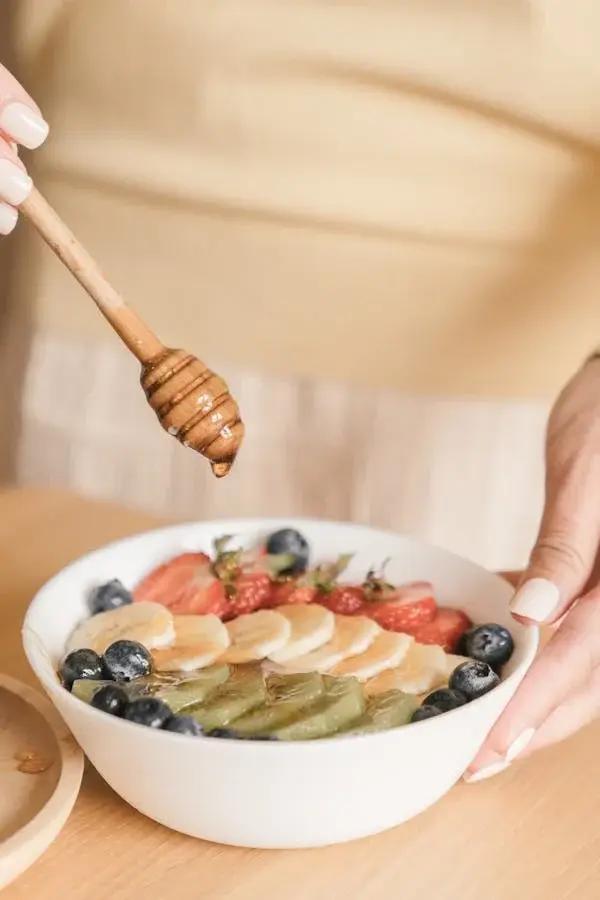
Try it.
In warm water with lemon
Drizzled over toast or yogurt
In baking or herbal remedies, or straight from the spoon!
Taste the Difference with Himalayan Hive
We’re not just another honey brand. We’re beekeepers, nature lovers, and believers in doing things the right way.
From our hives in the Himalayas to your kitchen, our honey is
100% Organic and Raw
Lab-Tested for Purity
Sustainably Harvested
Rich in Taste, Health, and Heart
Discover the true taste of nature with Himalayan Hive today.


Comments