
The Art of Jam Making: Traditional vs. Modern Methods
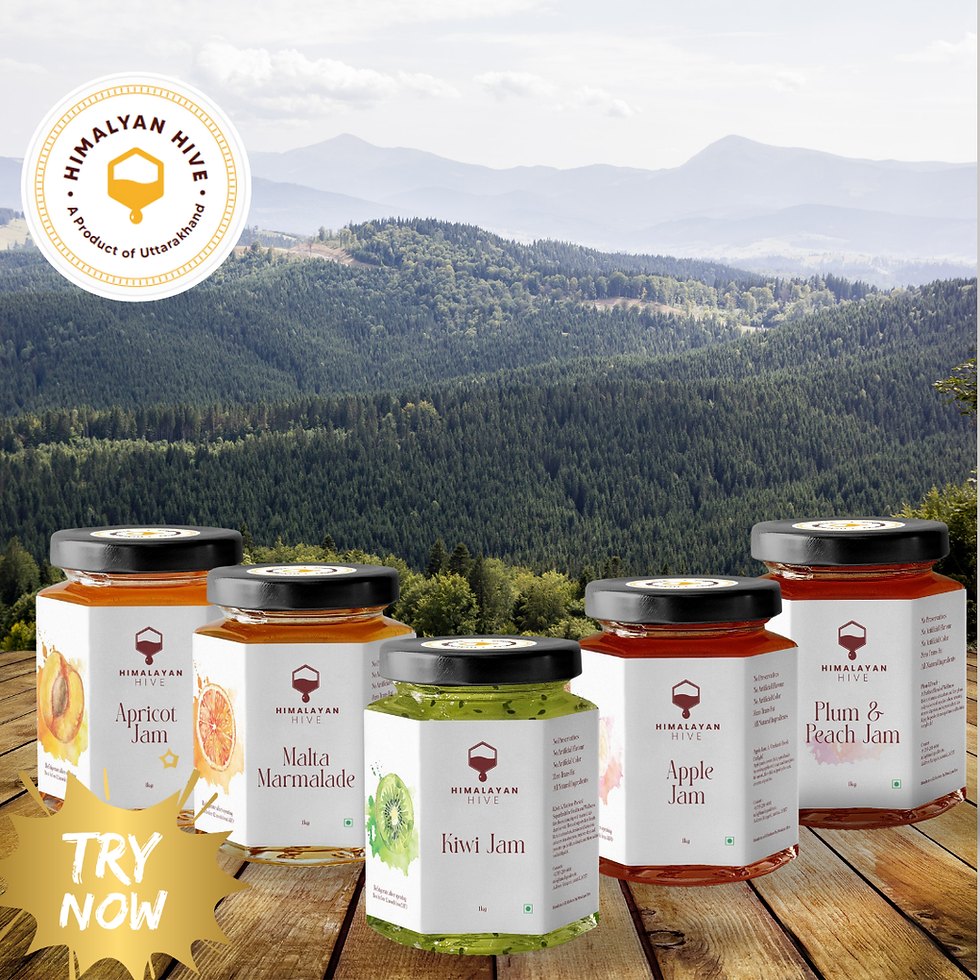
The gentle bubbling of fruit and sugar, the sweet aroma filling your kitchen, the satisfaction of sealing that perfect jar—jam making awakens all the senses and connects us to generations of culinary tradition. Whether you're drawn to time-honored methods passed down through Himalayan mountain families or prefer the precision of modern techniques, understanding both approaches can transform your jam-making journey.
At Himalayan Hive, we've witnessed firsthand how the ancient art of preserving nature's bounty continues to evolve while maintaining its essence. From our high-altitude orchards to your breakfast table, let's explore how traditional wisdom meets contemporary innovation in the world of artisan jam making.
The Rich History of Jam Making
Jam has been a beloved food for centuries, with its origins tracing back to ancient times when fruits were preserved using honey—much like the pure, raw honey we harvest in the Himalayan foothills today. The modern concept of jam evolved in Europe during the Middle Ages, when sugar became more accessible.
Early jam makers, including the mountain communities we partner with at Himalayan Hive, relied on simple ingredients:
Fresh, seasonal fruit
Natural sweeteners (honey or sugar)
Pectin-rich fruits like apples or citrus for setting
These foundational techniques laid the groundwork for the artisan jam recipes we craft today.
Traditional Jam Making Methods: Heritage in Every Jar

Traditional jam making is a labor of love, often involving time-honored techniques that have been passed down through families—especially in remote Himalayan villages where our fruit suppliers continue these practices.
1. Selecting the Finest Ingredients
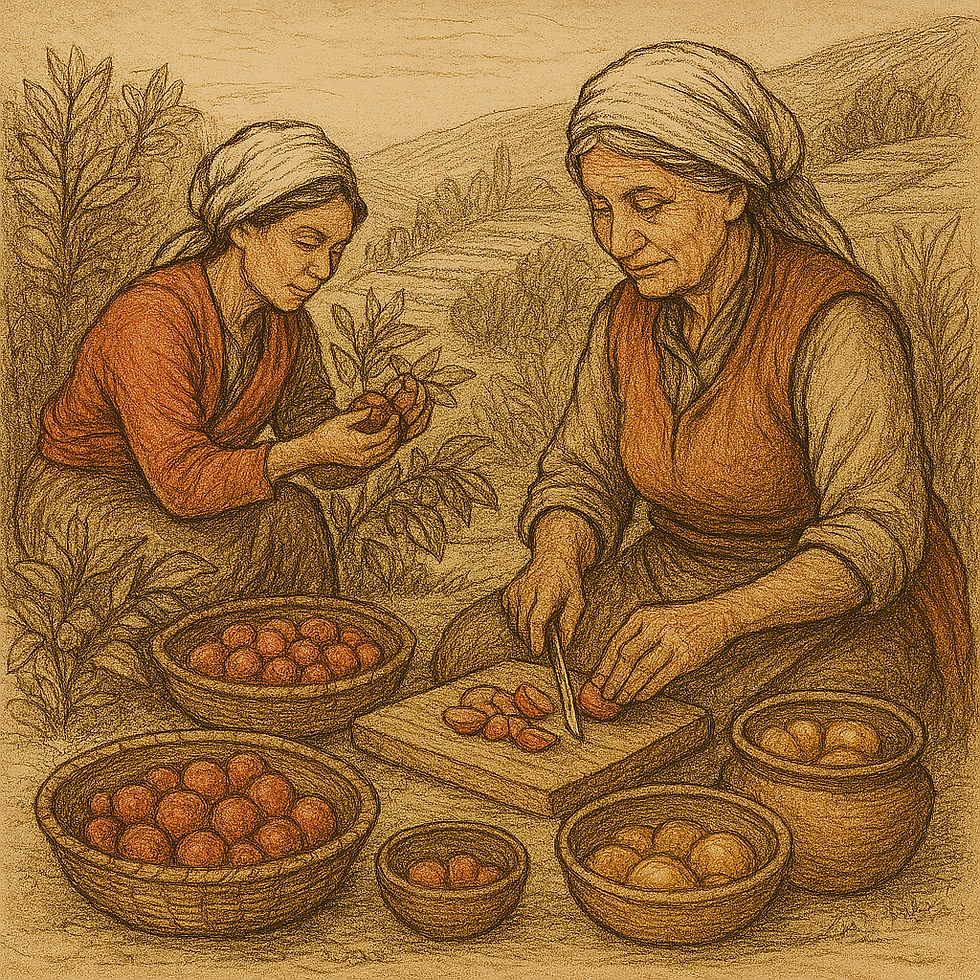
Traditional jam makers believe that exceptional jam starts with exceptional fruit. At Himalayan Hive, we follow this philosophy by:
Hand-picking only the ripest, most flavorful fruits
Sourcing from local mountain orchards at peak season
Ensuring vibrant natural sweetness and color
2. Careful Fruit Preparation
The fruit receives meticulous attention:
Gentle washing to preserve delicate skins
Hand-cutting into uniform pieces
Some recipes call for light crushing to release natural juices
Others maintain larger fruit chunks for rustic texture
3. Slow Cooking with Natural Sweeteners
This is where tradition truly shines:
Sugar (or honey) is gradually added to fruit
Mixture cooks slowly over low, controlled heat
Natural pectin activates during the gentle cooking process
Traditional 1:1 fruit-to-sugar ratio, adjusted for natural fruit sweetness
4. The Art of Testing for Set
One of the most iconic traditional steps:
Cold plate test: Drop jam on a chilled plate
Push with finger—if it wrinkles, it's perfectly set
Requires patience and practiced intuition
A skill our master jam makers at Himalayan Hive have perfected
5. Hand-Jarring and Sealing
The final traditional touch:
Hot jam poured into sterilized glass jars
Traditional wax seals or modern canning lids
Each jar individually inspected
The personal touch that makes every batch special
Modern Jam Making: Innovation Meets Tradition

Contemporary jam making embraces technology while respecting traditional principles—exactly the approach we take at Himalayan Hive to ensure consistent quality and safety.
1. Advanced Ingredient Options
Modern artisans have access to:
Commercial pectin for reliable setting
Low-sugar alternatives for health-conscious consumers
Exotic fruits from diverse regions
Natural preservatives for extended shelf life
2. Precision Cooking Equipment
Technology enhances consistency:
Electric stoves and induction cooktops for even heat distribution
Digital thermometers for precise temperature control
Specialized jam-making equipment for commercial production
Reduced burning risk and more predictable results
3. Commercial Pectin Advantages
A game-changer for modern jam makers:
Faster, more reliable setting times
Works with low-pectin fruits
Enables sugar reduction without texture loss
Perfect for beginners and commercial producers
4. Enhanced Sterilization and Safety
Modern food safety standards:
Professional sterilization equipment
Vacuum-sealing technology for longer shelf life
Pasteurization processes in commercial settings
Quality control testing for consistency
5. Creative Gourmet Combinations
Innovation flourishes with:
Lavender-strawberry fusion
Chili-spiked mango varieties
Herb and spice infusions
Savory jam innovations
Side-by-Side Comparison: Traditional vs. Modern Methods

Aspect | Traditional Method | Modern Method |
Ingredients | Fresh local fruit, basic sugar/honey | Wide variety, commercial pectin options |
Equipment | Wooden spoons, copper pans, stovetop | Electric stoves, thermometers, specialized tools |
Setting Method | Natural pectin, cold plate test | Commercial pectin, precise temperature |
Sterilization | Boiling water bath, wax seals | Vacuum sealing, pasteurization |
Flavor Innovation | Classic family recipes | Gourmet, experimental combinations |
Time Investment | Longer, more hands-on | Streamlined, efficient |
Consistency | Variable, artisan charm | Reliable, standardized |
The Himalayan Hive Approach: Best of Both Worlds

At Himalayan Hive, we believe the finest jams combine traditional wisdom with modern quality standards. Our artisan jam makers:
Honor heritage techniques passed down through mountain communities
Utilize modern safety standards for consistent quality
Source from local Himalayan farmers maintaining traditional growing practices
Employ precise quality control while preserving handcrafted character
Our range includes time-tested favorites alongside innovative combinations:
Classic Mountain Berry Jam made with traditional slow-cooking methods
Himalayan Wildflower Honey harvested using centuries-old beekeeping practices
Artisan Fruit Preserves combining heritage recipes with modern safety standards
Benefits of Traditional Jam Making
Authentic Mountain Flavors
Complex taste profiles from slow, gentle cooking
Natural texture variations that machine production can't replicate
Seasonal flavor capture reflecting peak fruit ripeness
Cultural Heritage Connection
Family recipe preservation across generations
Community traditions maintained in Himalayan villages
Stories and memories embedded in every jar
Artisan Quality Assurance
Individual attention to each batch
Personal touch in preparation and packaging
Pride of craftsmanship evident in final product
Advantages of Modern Jam Making
Reliable Consistency
Standardized results batch after batch
Predictable setting regardless of fruit pectin levels
Professional quality control throughout process
Enhanced Accessibility
Shorter preparation time for busy schedules
Beginner-friendly techniques with clear guidelines
Reduced failure rates through precise measurements
Innovation Opportunities
Flavor experimentation with confidence
Dietary accommodation (low-sugar, sugar-free options)
Extended shelf life for commercial viability
Expert Tips for Perfect Jam Making
Essential Principles (Traditional or Modern)
Start with premium fruit: Always choose the freshest, ripest produce available
Balance flavors thoughtfully: Adjust sweetness and acidity to complement natural fruit profiles
Monitor temperature precisely: Use thermometers to avoid under- or overcooking
Test for proper set: Whether using plate test or commercial pectin, always verify consistency
Prioritize jar sterilization: Critical for both safety and extended shelf life
Embrace experimentation: Jam making is an art—don't fear creative combinations!
Pro Tips from Himalayan Hive Masters
Taste throughout cooking: Adjust flavors as jam develops
Document successful ratios: Record winning combinations for future batches
Consider altitude effects: High-altitude cooking may require timing adjustments
Layer complementary flavors: Add spices or herbs in final cooking stages
Himalayan Hive: Pure Mountain Excellence in Every Jar

Every product from Himalayan Hive tells a story of pristine mountain environments, traditional craftsmanship, and unwavering commitment to purity. Our jams and honey are:
100% Natural and Pure
No artificial preservatives or additives
Traditional preparation methods with modern safety standards
Direct partnerships with local farmers and beekeepers
Authentic Himalayan flavors captured at peak freshness
Artisan Quality Guarantee
Our signature products include:
Wildflower Honey: Raw, unprocessed nectar from high-altitude blooms
Litchi Honey: Delicate, floral notes from pristine orchards
Mustard Honey: Bold, complex flavors unique to our region
Sun-Ripened Fruit Jams: Traditional recipes with modern quality assurance
Perfect for Every Occasion
Upgrade your breakfast routine with authentic mountain flavors
Create memorable desserts using pure, natural ingredients
Give thoughtful gifts with our curated gift packs
Wedding return gifts featuring signature jams and honey combinations
Conclusion
Jam making beautifully blends cherished traditions with innovative techniques, creating endless possibilities for culinary creativity. Whether you're drawn to the meditative process of traditional methods or appreciate the reliability of modern approaches, both paths lead to delicious, satisfying results.
At Himalayan Hive, we've discovered that the most exceptional jams honor both heritage and innovation—combining time-tested mountain recipes with contemporary quality standards to deliver pure, authentic flavors in every jar.
The choice between traditional and modern methods ultimately depends on your goals, time, and personal preferences. What matters most is the joy of creating (or enjoying) something beautiful, natural, and delicious.
Frequently Asked Questions About Jam Making
1. What distinguishes jam from jelly and preserves?
Jam: Made from crushed or chopped fruit cooked with sugar until thick
Jelly: Created from fruit juice, sugar, and pectin, resulting in clear, firm consistency
Preserves: Feature whole or large fruit pieces suspended in thick syrup
2. Is commercial pectin necessary for jam making
Not always—many fruits contain natural pectin (apples, citrus, berries). However, commercial pectin guarantees reliable setting, especially with low-pectin fruits like strawberries or peaches.
3. How can I determine if my jam has properly set?
Traditional method: Cold plate test—jam should wrinkle when pushed
Modern method: Candy thermometer reading of 220°F (104°C) at sea level
4. Why might jam turn out too runny or too thick?
Too runny: Insufficient pectin, sugar, or cooking time
Too thick: Overcooking or excessive pectin/sugar ratios
5. What's the shelf life of homemade jam?
Unopened: 1-2 years in cool, dark storage when properly sealed
Opened: Refrigerate and consume within 1 month
6. Can I reduce sugar in jam recipes?
Yes! Use low-sugar pectin or natural sweeteners, though this may affect texture and preservation qualities.
7. What are some creative jam flavor combinations?
Try these inspired pairings:
Lavender and strawberry
Chili and mango
Rosemary and peach
Cardamom and pear
8. How should I sterilize jars for jam making?
Boil jars and lids for 10 minutes, or use dishwasher sterilize cycle. Ensure complete drying before filling.
9. Is freezing jam a viable alternative to canning?
Absolutely! Use freezer-safe containers with headspace for expansion. Freezer jam often retains more fresh fruit flavor.
10. Which fruits work best for jam making?
Excellent choices include:
High-pectin fruits: Apples, citrus, cranberries
Medium-pectin fruits: Blueberries, raspberries
Low-pectin fruits: Strawberries, peaches, pears (benefit from added pectin)
Experience the pure essence of the Himalayas in every spoonful. Visit Himalayan Hive today and discover why our mountain-crafted jams and honey are treasured by families across India.


Comments